Living Beside North Star Preserve In East Of Aspen
July 9, 2026
July 9, 2026
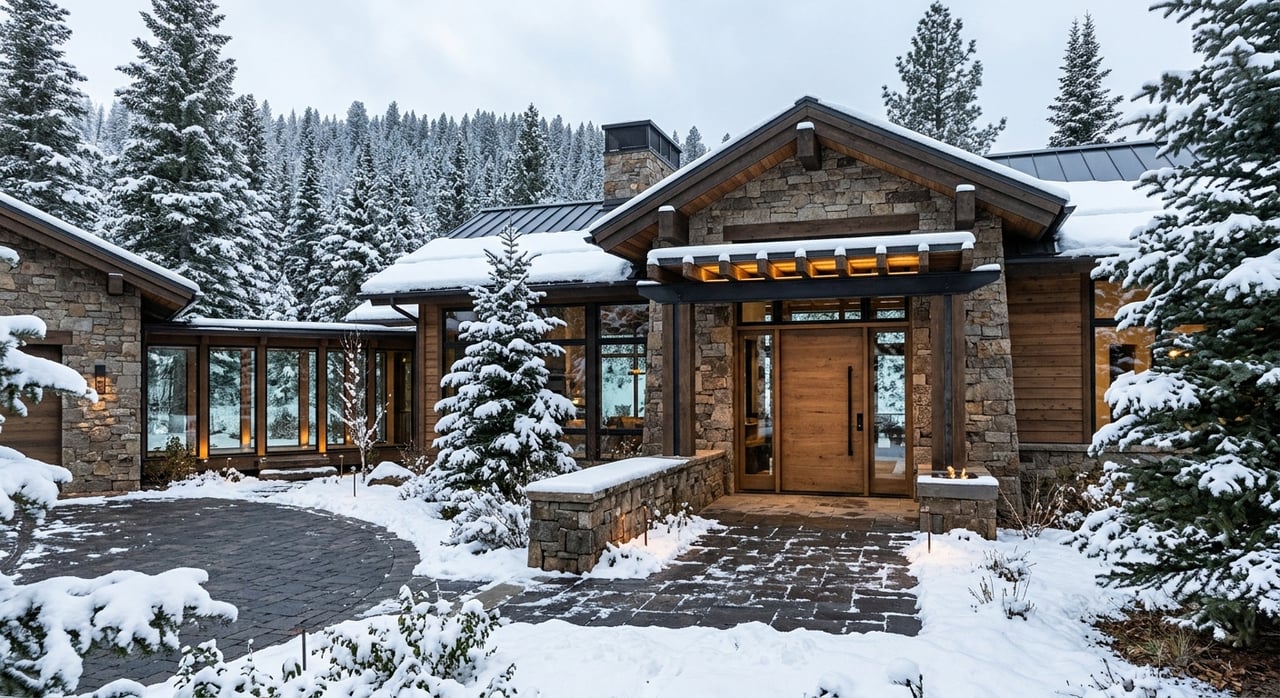
If your idea of Aspen living leans more toward open space than foot traffic, East Aspen beside North Star Preserve may feel like the right fit. This part of town offers a quieter, more nature-led rhythm, but it also comes with rules, seasonal patterns, and a preserve-first mindset that shape daily life. If you are weighing a purchase in East Aspen, this guide will help you understand what living near North Star really looks like. Let’s dive in.
Living beside North Star Preserve means living next to a protected landscape, not a typical neighborhood amenity. The preserve spans 245 acres and includes a 175-acre conservation easement held by Aspen Valley Land Trust, with joint ownership by Pitkin County and the City of Aspen.
That matters because the area is managed first for ecological protection, wildlife values, scenic character, recreation, and access. In practical terms, the setting feels more like a preserve-adjacent corridor with homes nearby than a busy residential district with commercial activity woven in.
The daily atmosphere here is intentionally quiet. North Star is managed as a Quiet Zone, closes from dusk to dawn, and limits special events and commercial activity.
That protected approach carries into the surrounding experience. If you are looking for a part of Aspen that feels serene, lightly programmed, and closely tied to open space, East Aspen near North Star stands apart.
This is not the kind of location where activity spills out in every direction. The preserve rules are designed to reduce impact, and that helps create a calm backdrop for nearby homes.
For many buyers, that is the appeal. You are close to Aspen, but your day-to-day environment can feel more removed, private, and grounded in the landscape.
One of the biggest draws of living in East Aspen is easy access to trail and river recreation. Still, North Star is not a casual anything-goes outdoor zone. Access is managed, seasonal conditions matter, and planning ahead is part of the experience.
That can be a major plus if you value conservation and lower-intensity use. It can feel more restrictive if you want spontaneous, flexible access without many rules.
The East of Aspen Trail is open year-round, which gives nearby residents a consistent connection to the corridor. However, Pitkin County notes that the trail does not receive winter maintenance.
In winter, access may depend on periodic snowmobile packing between Stillwater Road and South Gate. So while the trail remains part of the lifestyle through all seasons, it is not the same as having a plowed or fully groomed in-town path.
Floating through North Star is one of the area’s signature seasonal experiences, but it is carefully regulated. It is a float-through-only setting, with no stopping or beaching except at designated areas, no access to the west side of the river, and limited put-in and takeout points.
Pitkin County also notes that river conditions change throughout the season. Early summer water can be especially cold, and beaver dams may affect passage in early spring and again in mid- to late summer.
For you as a buyer, that means river access is best viewed as a planned seasonal ritual rather than an everyday drop-in activity. It adds lifestyle value, but it works best when you understand the rules and timing.
If you have a dog, the distinction between the trail and the preserve is important. Dogs are allowed on the East of Aspen Trail if leashed, but dogs are not allowed inside North Star itself, whether on land or water.
That policy supports wildlife protection and the preserve’s low-impact mission. It is a good fit for buyers who appreciate stewardship, though it may feel limiting if pet flexibility is high on your list.
Even with its quieter setting, East Aspen remains connected to Aspen’s broader transportation network. The City of Aspen says its free shuttle system and RFTA valley service run on the summer schedule from June 1, 2026 through September 20, 2026.
The city also offers free bus service between Aspen and the airport, along with Downtowner door-to-door service around town. RFTA describes the city shuttle routes as serving trailheads, ski lifts, and other parts of town.
Living beside North Star is connected, but not in a dense, urban way. The access pattern tends to be more trail-and-shuttle oriented than transit-at-your-doorstep.
At North Star specifically, Pitkin County recommends biking or walking the put-in via the East of Aspen Trail. The county also notes that five permitted commercial operators offer guided tours and or shuttle services at North Star.
So yes, you are close to town. But the feel remains low-key, with movement shaped more by outdoor access and planning than by a highly commercial street grid.
If you are considering East Aspen real estate near North Star, it helps to frame the area within Aspen’s broader housing market. According to the Aspen Board of REALTORS’ May 2026 report, Aspen had 77 single-family homes for sale and 58 townhouse or condo homes for sale.
The same report showed 13.2 months of supply for single-family homes and 7.0 months of supply for townhouse and condo properties. Median sales prices were $10.625 million for single-family homes and $3.4 million for townhouse and condo homes, though the report also notes that monthly swings can appear dramatic because sample sizes are small.
Those figures are Aspen-wide, not specific to East Aspen. Still, they provide useful context for how limited and high-value the inventory pool can be.
In East Aspen near North Star, the core value proposition often comes down to what you are choosing more of and less of. You are often trading density and immediate commercial convenience for privacy, river proximity, trail access, wildlife-rich surroundings, and a quieter day-to-day experience.
Because North Star is managed with habitat conservation, wildlife connectivity, and impact reduction in mind, ownership nearby often comes with a stewardship mindset. That does not mean daily life is difficult. It means the setting works best for buyers who value the landscape enough to live with the protections that preserve it.
For many second-home buyers and relocators, that balance is exactly the point. You can stay close to Aspen while living in an area that feels more spacious, protected, and distinctly tied to nature.
East Aspen beside North Star is often compelling if you want a semi-rural version of Aspen living without feeling isolated. The area can be especially attractive if you prioritize scenery, privacy, trail access, and a quieter cadence over constant convenience.
You may feel particularly aligned with this location if you are looking for:
On the other hand, if your top priority is walkable retail, fewer use restrictions, or more spontaneous pet and river access, another Aspen setting may fit you better.
Preserve-adjacent real estate comes with details that can shape your experience after closing. Trail access, quiet-zone expectations, seasonal conditions, transportation patterns, and conservation rules all affect how a property lives day to day.
That is why neighborhood-level guidance matters. When you are evaluating East Aspen, it helps to work with someone who can explain not just the market, but the rhythm and trade-offs of the location itself.
If you are considering a home in East Aspen or weighing how North Star fits your lifestyle goals, Hank Carter can help you navigate the market with clear local insight and discreet, personalized guidance.
Stay up to date on the latest real estate trends.
August 20, 2026
August 13, 2026
August 6, 2026
August 6, 2026
July 23, 2026
July 16, 2026
July 9, 2026
July 2, 2026
June 25, 2026
Aspen has no shortage of real estate agents. What it has a shortage of is agents who have been voted the best — three times — by the community they serve. When the stakes are this high and the market this complex, experience and trust aren't optional. They're everything. That's The Carter Group.